 Applied Pipeline ServicesUAE · KSA · QATAR← Back to site
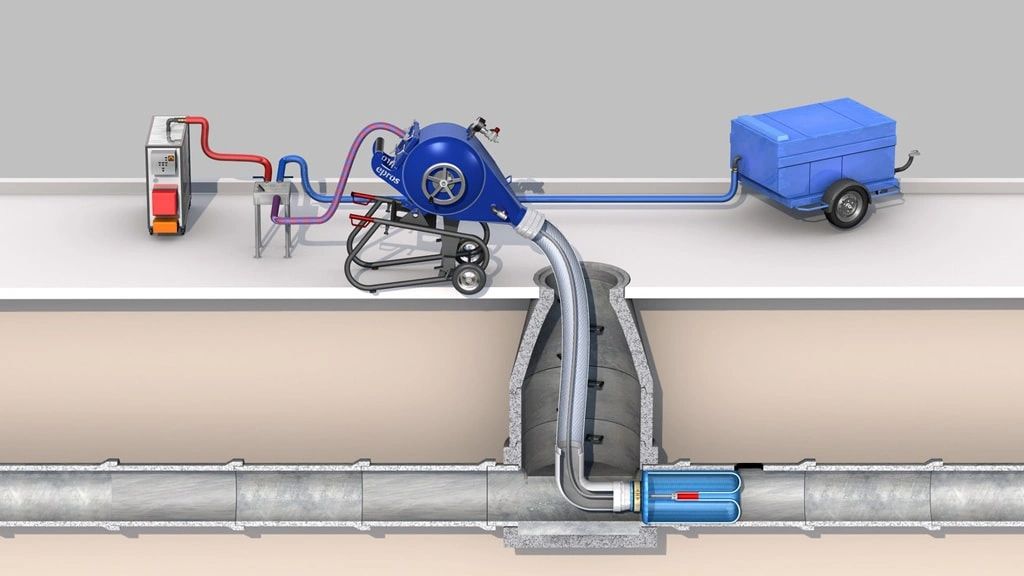
Trenchless technology is the set of methods used to inspect, repair, rehabilitate, replace and install underground pipes with little or no open-cut excavation. It covers everything from CCTV survey and robotic cleaning to CIPP lining, spiral wound, pipe bursting and directional drilling. Below are the advantages that make it the default for infrastructure owners in the Gulf.
A trenchless rehabilitation is typically completed in hours or days, against weeks for open-cut. Liners are installed through existing manholes and cured in a single shift; mechanical point repairs take under an hour. The time saved is operational time your facility keeps.
Excavation, shoring, dewatering, traffic management, haulage, backfill and reinstatement usually cost more than the pipe itself. Removing them brings most projects to 40 to 50 percent of the open-cut price, before counting the revenue that is not lost to closures.
No open trenches means no trench collapses, no workers in deep excavations beside traffic, and fewer confined-space entries. Robotic equipment does the work inside the pipe while the crew stays at the surface.
Every trenchless project begins with a CCTV survey that locates defects to the centimetre, so the repair is applied exactly where it is needed and nowhere else. The post-installation survey proves the result on video.
Roads stay open, businesses stay trading, residents stay in their homes. For hotels, malls, airports and hospitals this is usually the deciding factor.
A cured CIPP liner is a new, jointless pipe with a 50-year design life, immune to the corrosion that failed the original. Applied backs its installations with a 10-year structural warranty.
No spoil to landfill, no new pipe to manufacture and transport, a fraction of the plant hours and diesel, and no damage to trees, landscaping or adjacent utilities. Trenchless is the low-carbon way to renew a network.
Access is through existing manholes and openings; the host pipe becomes the formwork for the new one. There is nothing to align, weld or bed, and far less to go wrong.
Trenchless methods are applicable to pipes from 100 mm to 2.8 m in sewer, storm, water, fire, cooling, oil and gas and industrial service. Applied Pipeline Services has delivered more than one million metres of trenchless rehabilitation across the UAE, Saudi Arabia and Qatar. If you are weighing a pipeline replacement, ask us for the trenchless comparison before the trench is dug.
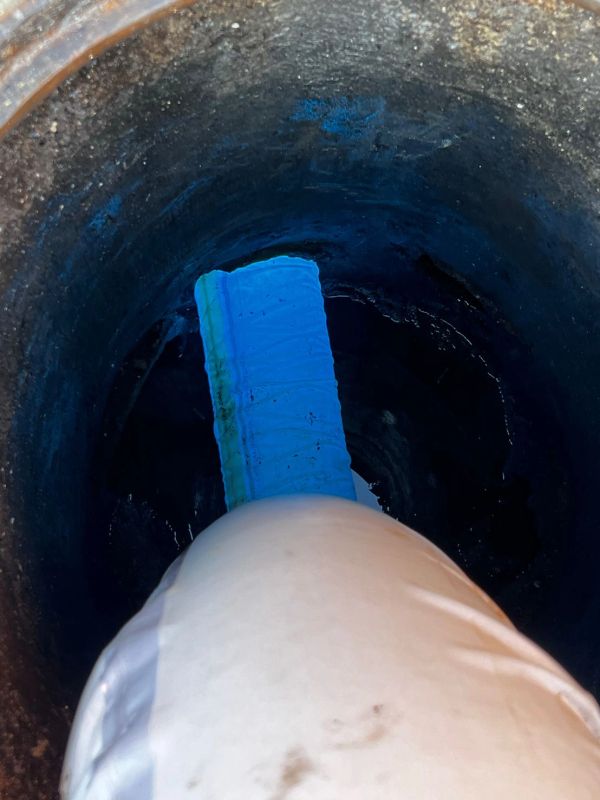 Trenchless Pipe Rehabilitation: The Smart, Sustainable Solution
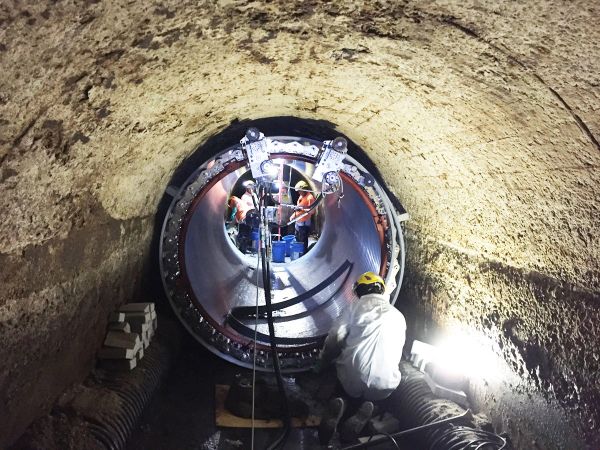 Spiral Wound For Trenchless Pipe Repair
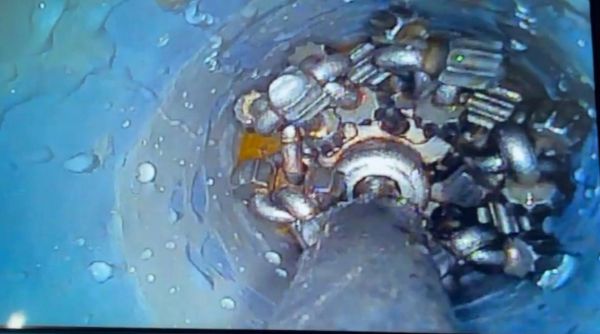 Revolutionizing Pipeline Maintenance in the Saudi Market
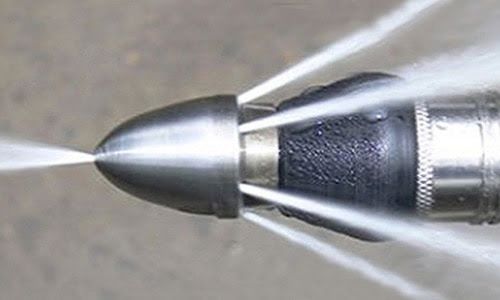 Revitalize Your Infrastructure: Applied Pipeline Services Now in
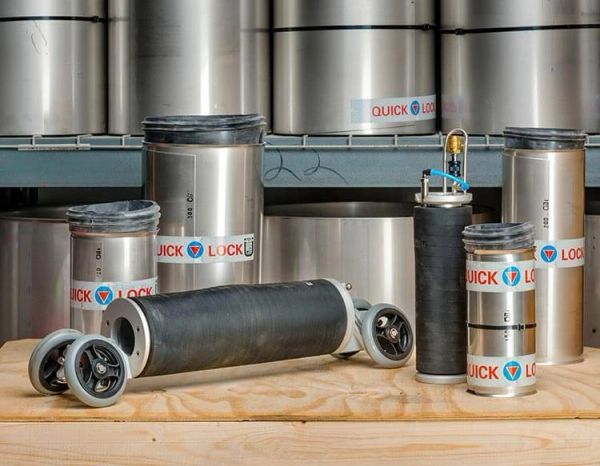 Applied Installs the first Quick Lock No-Dig pipe repair in UAE
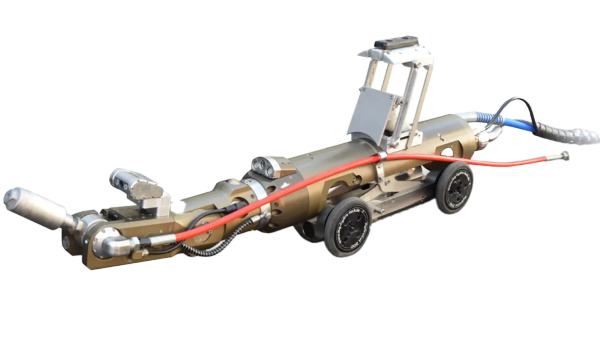 CCTV sewer pipe inspection and Robotic sewage pipe cleaning