 Applied Pipeline ServicesUAE · KSA · QATAR← Back to site
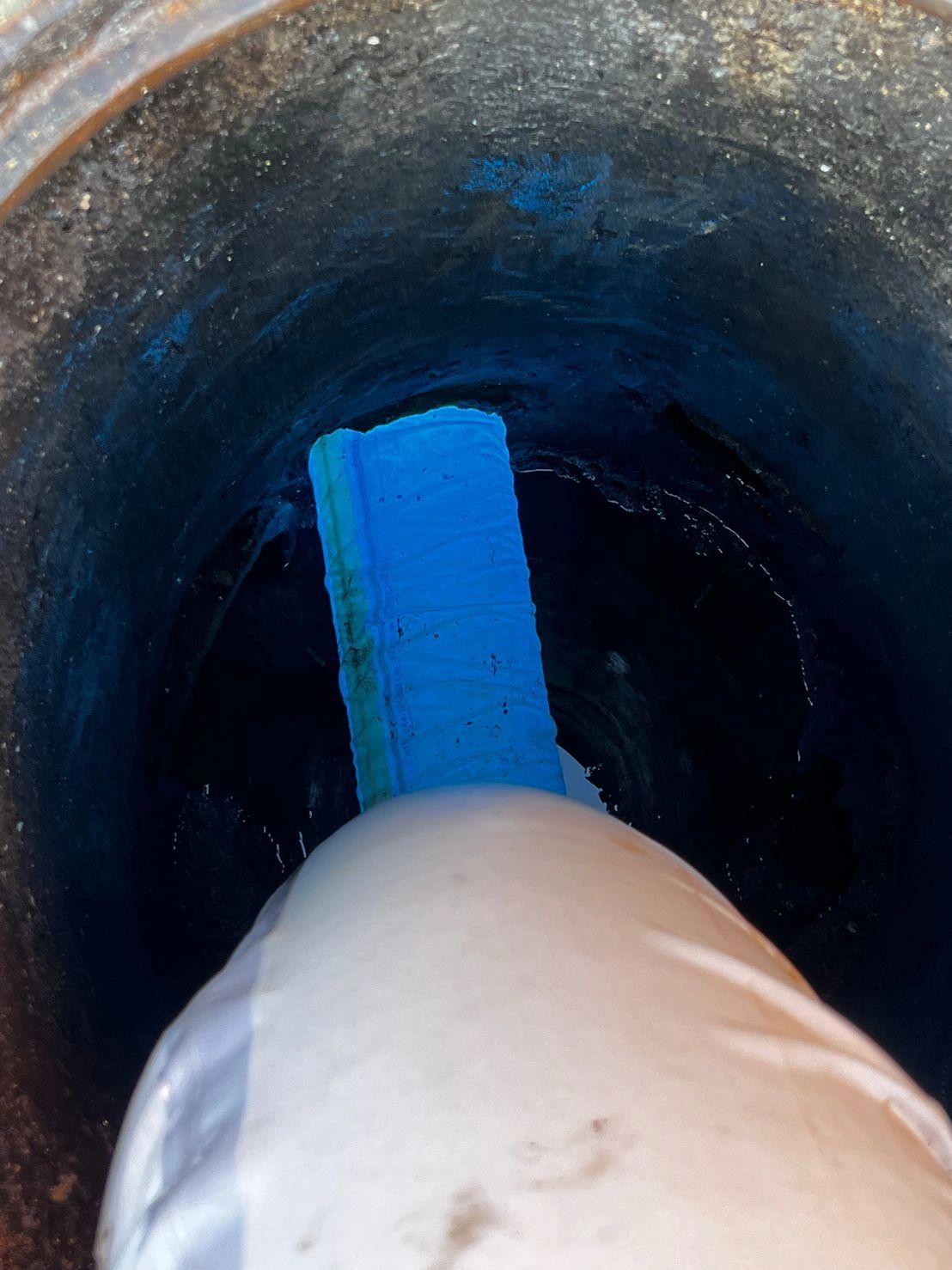
Across the GCC, thousands of kilometres of water, sewer, fire and cooling pipelines are reaching the end of their design life beneath roads, towers, malls and airports that cannot afford a single day of disruption. Trenchless pipe rehabilitation rebuilds those pipelines from the inside, without excavation, and it has become the default engineering choice for owners who measure cost in downtime, not just dirhams.
Trenchless rehabilitation is a family of methods that restore a pipeline through its existing access points: manholes, inspection chambers, valve pits or small launch openings. The host pipe stays in the ground. Depending on its condition, we either line it with a new structural pipe (cured-in-place pipe, or CIPP), coat it (epoxy or polyurea), or repair a localised defect (patch liners, mechanical point repair). The common thread is that the surface above the pipe stays untouched: no trenches, no road closures, no reinstatement of tiles, landscaping or asphalt.
We rehabilitate pipelines from 100 mm building risers to 2.8 m municipal mains: sewer and storm drains, chilled-water and district-cooling networks, fire-suppression lines, potable water (with NSF/ANSI 61 approved liners), swimming-pool circulation pipes, oil and gas lines and industrial process pipework operating up to 100 bar.
Trenchless rehabilitation is not an experimental alternative. It is the method behind our work at Burj Khalifa, Atlantis The Palm, Dubai Airport, ARAMCO, Riyadh Metro and the National Water Company, and it is how more than one million metres of Gulf pipelines have been given a second life. If a pipeline on your site is leaking, blocked, corroded or simply old, start with a free CCTV assessment. In most cases we can tell you within a day whether it can be rebuilt from the inside, and what it will cost.
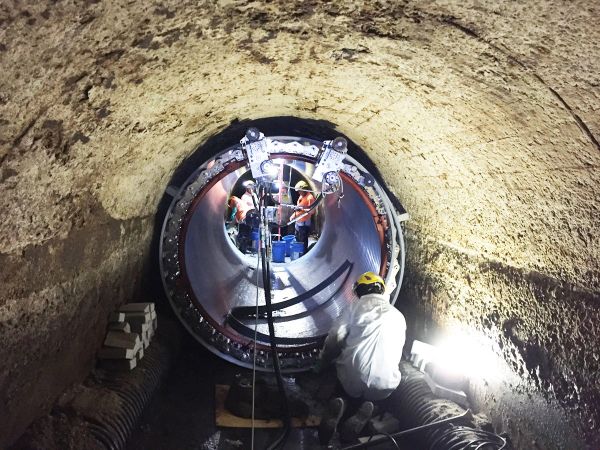 Spiral Wound For Trenchless Pipe Repair
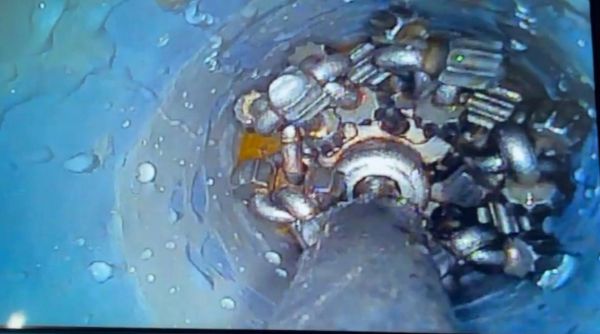 Revolutionizing Pipeline Maintenance in the Saudi Market
 Revitalize Your Infrastructure: Applied Pipeline Services Now in
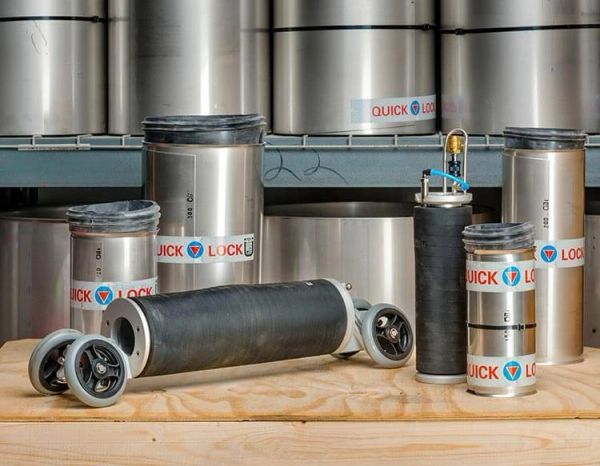 Applied Installs the first Quick Lock No-Dig pipe repair in UAE
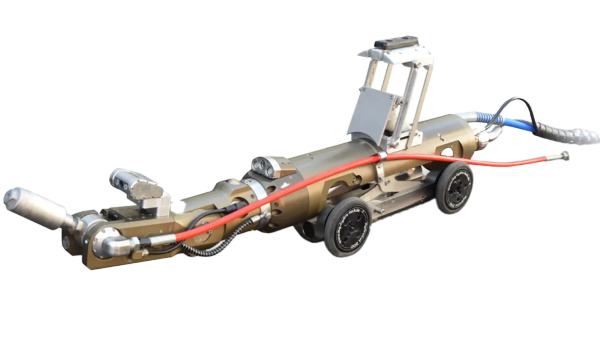 CCTV sewer pipe inspection and Robotic sewage pipe cleaning
 CIPP(Cured in Place pipe) Trenchless pipe Repair in the Oil & Gas