 Applied Pipeline ServicesUAE · KSA · QATAR← Back to site
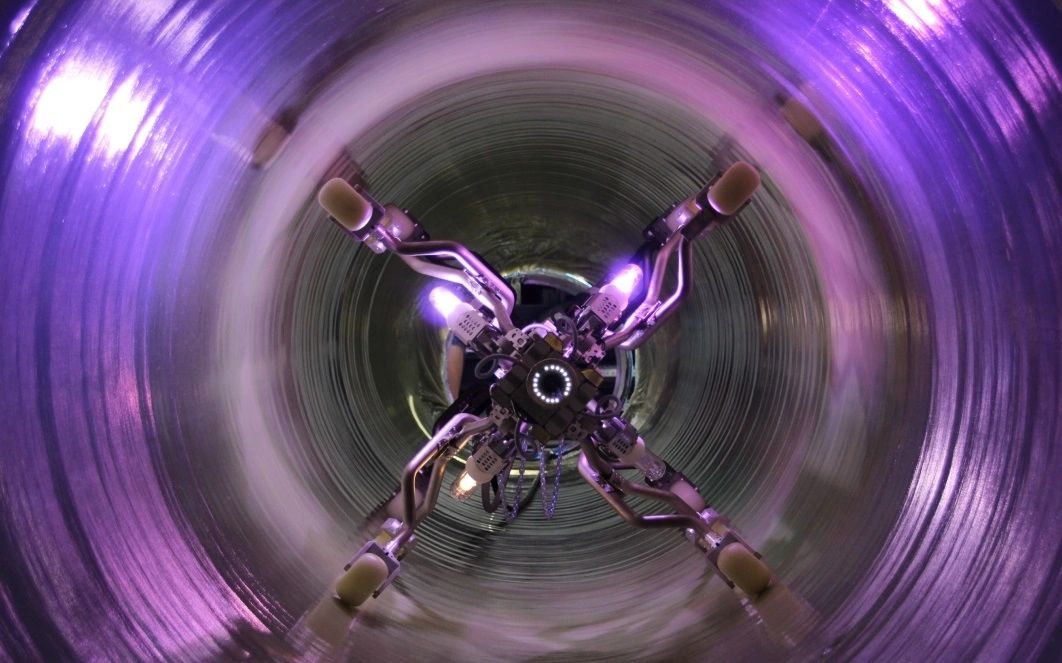
The oil and gas industry runs on pipelines: gathering lines, process pipework, produced-water and firewater systems, utility and drainage networks across refineries, terminals and plants. When those lines corrode, replacing them means hot work, shutdowns, permits and excavation inside live hazardous areas. Cured-in-place pipe (CIPP) lining offers a way to restore them from the inside, often during a planned turnaround and without cutting a single section out.
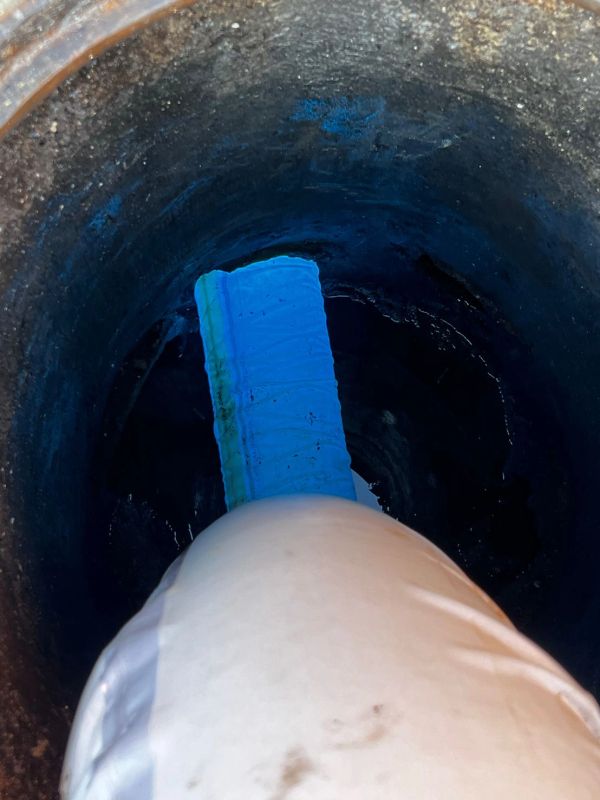
A flexible liner, made of felt or glass-fibre reinforcement impregnated with a thermoset resin, is inserted into the host pipe through an existing opening, flange or access point. It is inflated against the pipe wall and cured with UV light, steam or hot water. The result is a seamless, jointless, structural pipe inside the old one, chemically bonded to resist the service fluid. Resin systems are selected for the duty: epoxy for hydrocarbons and elevated temperatures, vinyl ester for aggressive chemistry, polyester for drainage and utility water.
Minimal downtime. Installations are measured in shifts, not weeks, and can be aligned with turnarounds. No hot work in the pipe corridor. Lining is a cold process. No excavation inside classified areas. Access is through existing points, which reduces permits, scaffolding and reinstatement. Pressure capability. Reinforced liners are designed for operating pressures up to 100 bar, verified by hydrostatic testing. Service life. A correctly designed liner has a 50-year design life and is immune to the corrosion that destroyed the host.
Every oil and gas lining project at Applied Pipeline Services starts with a CCTV or laser survey, a review of the process conditions, and a liner design to ASTM F1216 and F1743 for the actual pressure, temperature and chemistry. We clean the host pipe, install and cure the liner, and prove it with a pressure test and a post-cure camera survey before handover. Our reference list in the sector includes ARAMCO, SEPCO and multiple industrial facilities in the UAE and Saudi Arabia. If a corroded line is on your next turnaround scope, ask us whether it can be lined instead of replaced.
 Trenchless Pipe Rehabilitation: The Smart, Sustainable Solution
 Spiral Wound For Trenchless Pipe Repair
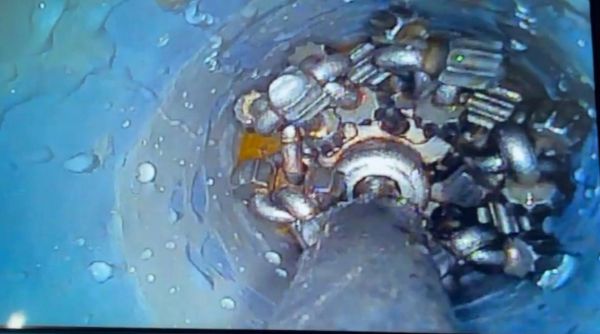 Revolutionizing Pipeline Maintenance in the Saudi Market
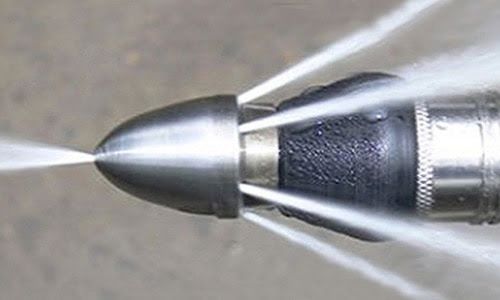 Revitalize Your Infrastructure: Applied Pipeline Services Now in
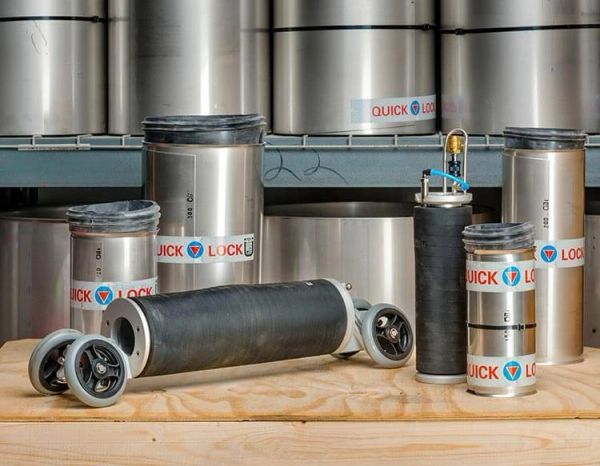 Applied Installs the first Quick Lock No-Dig pipe repair in UAE
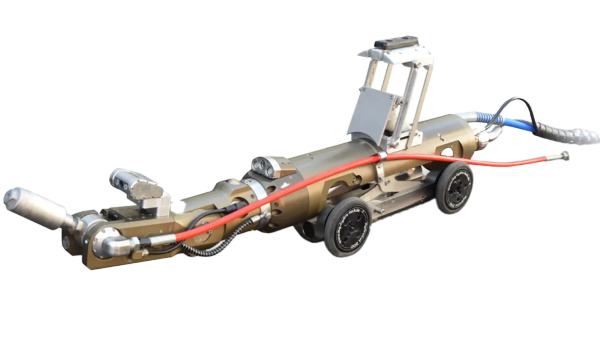 CCTV sewer pipe inspection and Robotic sewage pipe cleaning