 Applied Pipeline ServicesUAE · KSA · QATAR← Back to site
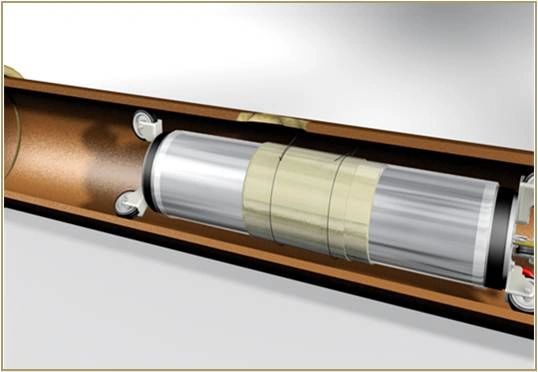
A CIPP patch liner is a short section of resin-impregnated fibreglass, typically 0.5 to 3 metres long, installed over a single localised defect from inside the pipe. It is the trenchless answer to the most common finding in a CCTV survey: a pipe in good condition except for one cracked joint, one corroded spot or one leaking connection. Applied Pipeline Services provides several WRc-approved patch systems for water, sewage and drainage lines; the right one depends on the pipe material, diameter and layout, and sometimes multiple patches or a combination with other methods is the correct repair.
A typical installation takes one to two hours from manhole to manhole, with no excavation and no surface disturbance.
Lining an entire 60 m run to fix one joint is poor value. A patch liner costs a fraction, is installed in a fraction of the time, and leaves the rest of the pipe, which is sound, untouched. Patches are structural, bond to the host, and have a 50-year design life. They are applicable from DN100 to DN1200 and in pipes of concrete, clay, PVC, GRP, cast iron and steel.
Both are point repairs. Quick-Lock stainless sleeves are preferred where the line must return to service immediately, in wet conditions, or where resin handling is impractical. CIPP patches are preferred for longer defects, non-circular pipes, and where a fully bonded, smooth repair is wanted. Our survey engineers recommend one or the other, and sometimes both on the same line.
If your network has a handful of known defects rather than a failing line, point repairs are the efficient route. Book a CCTV assessment and we will tell you which defects need a patch and which need nothing at all.
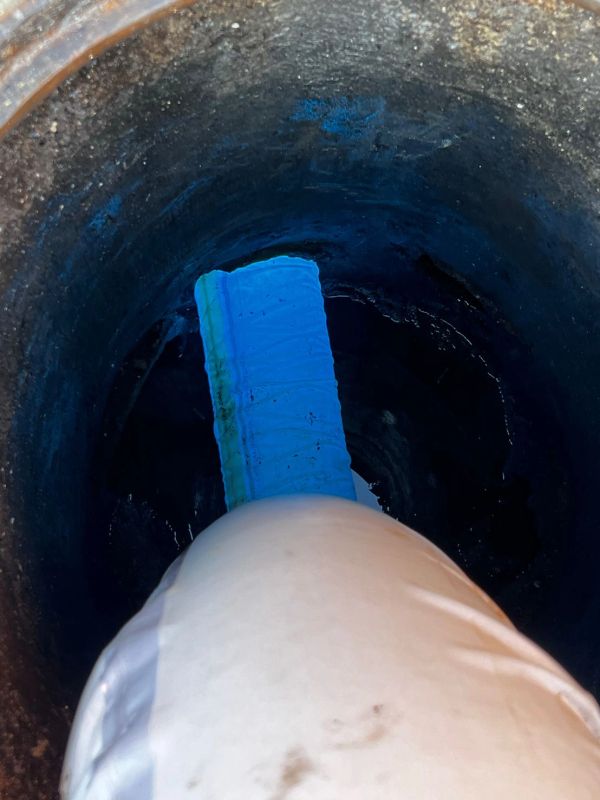 Trenchless Pipe Rehabilitation: The Smart, Sustainable Solution
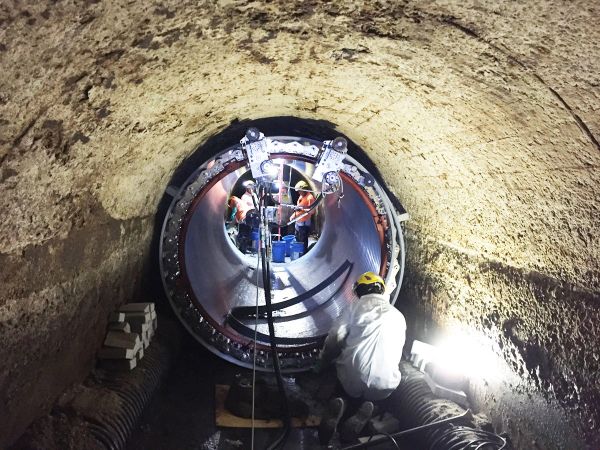 Spiral Wound For Trenchless Pipe Repair
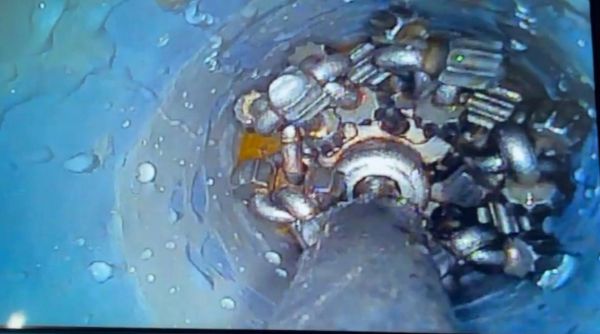 Revolutionizing Pipeline Maintenance in the Saudi Market
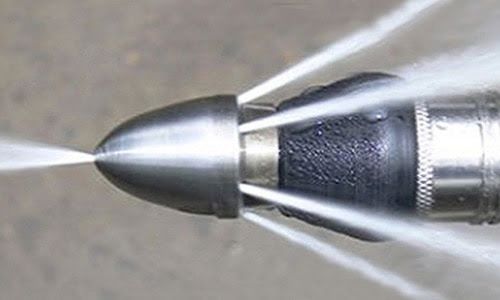 Revitalize Your Infrastructure: Applied Pipeline Services Now in
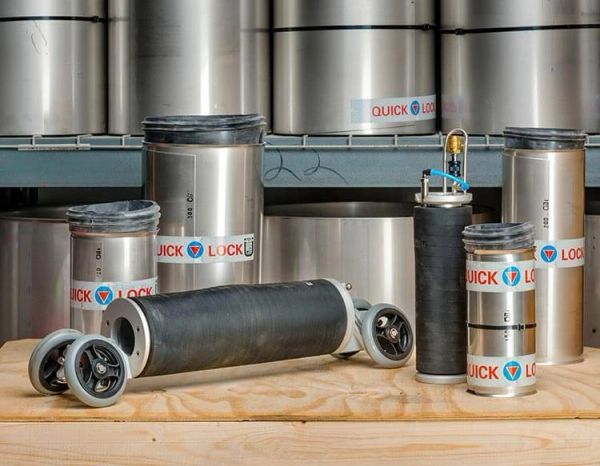 Applied Installs the first Quick Lock No-Dig pipe repair in UAE
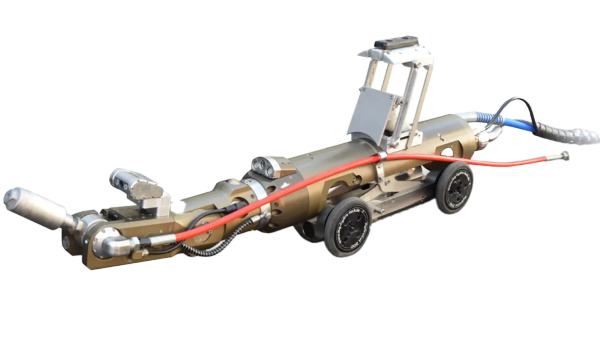 CCTV sewer pipe inspection and Robotic sewage pipe cleaning