 Applied Pipeline ServicesUAE · KSA · QATAR← Back to site
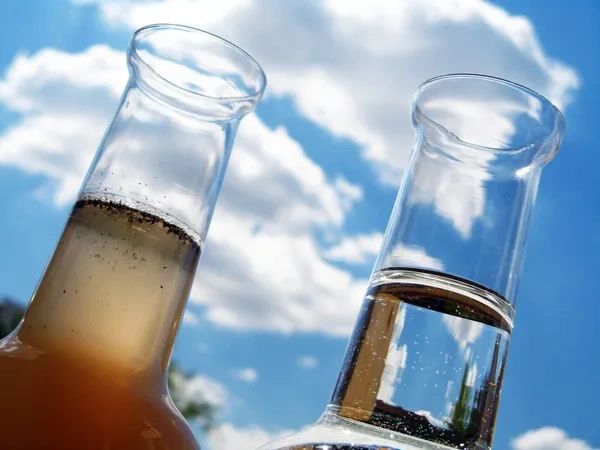
Polyurea is a spray-applied elastomeric coating that cures in seconds, bonds to steel, concrete and ductile iron, and forms a seamless, flexible, corrosion-proof barrier. In potable-water pipelines it is used to line the inside of large-diameter mains, reservoirs and chambers, stopping internal corrosion and leakage without replacing the asset. Where an NSF/ANSI 61 certified system is specified, it is one of the fastest ways to return a drinking-water pipe to service.
Man-entry water mains from DN800 upwards, where robotic or manual spray rigs can travel the pipe; pump-station wet wells and valve chambers; concrete reservoirs and tank linings; and the external protection of pipe at joints and fittings. For smaller diameters, robotic epoxy spraying or tight-fit lining is usually the better fit, and we select the method after the survey.
Polyurea is only as good as its surface preparation and its applicator. It is sensitive to moisture at the moment of spraying and it requires certified equipment and trained crews. It does not replace a structurally failed pipe on its own; where the host has lost its load capacity, a reinforced CIPP liner or a composite system is the correct answer. We say so when that is the case.
Applied Pipeline Services holds NSF/ANSI 61 lining systems for potable water and delivers them across the UAE and Saudi Arabia for utilities, developers and facility owners. If you have a large-diameter water main or reservoir showing corrosion, we can survey it and recommend whether polyurea, epoxy or a structural liner is the right fix.
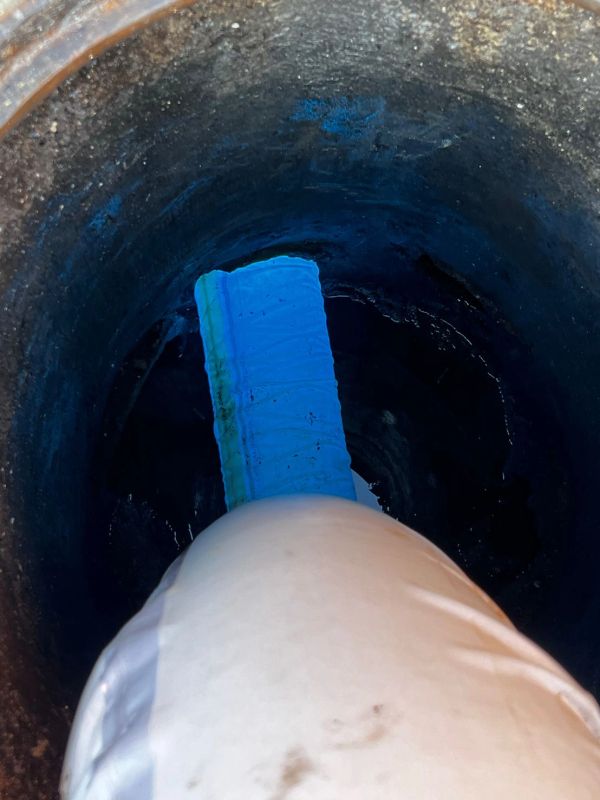 Trenchless Pipe Rehabilitation: The Smart, Sustainable Solution
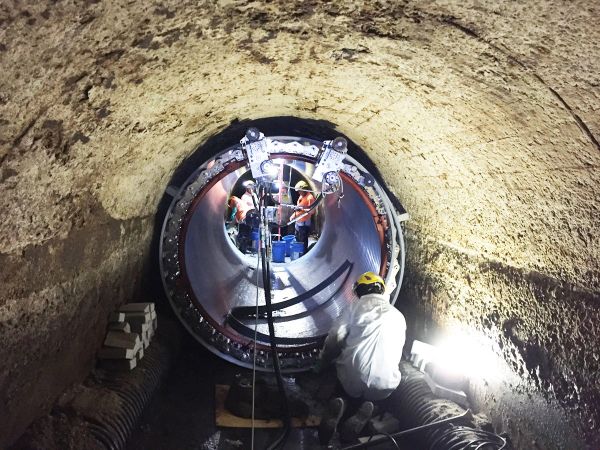 Spiral Wound For Trenchless Pipe Repair
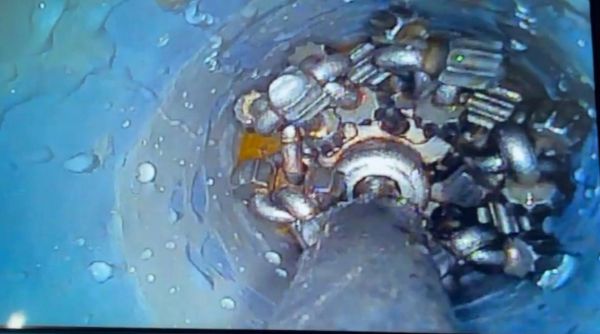 Revolutionizing Pipeline Maintenance in the Saudi Market
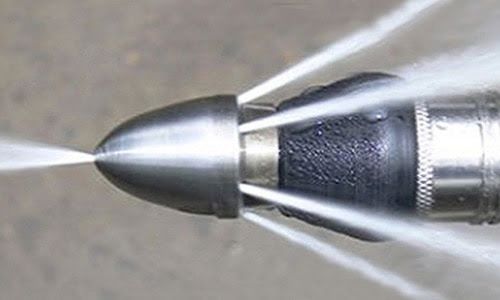 Revitalize Your Infrastructure: Applied Pipeline Services Now in
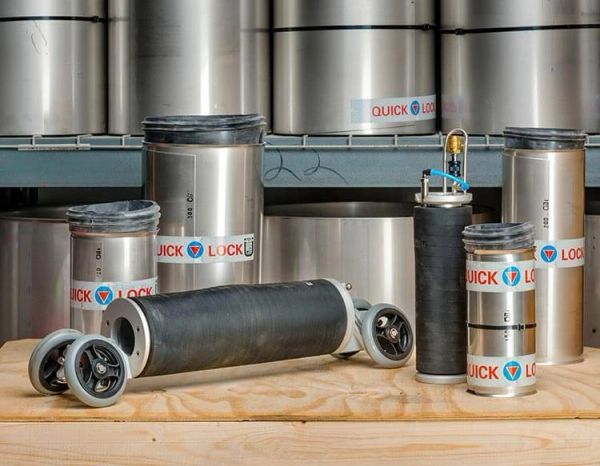 Applied Installs the first Quick Lock No-Dig pipe repair in UAE
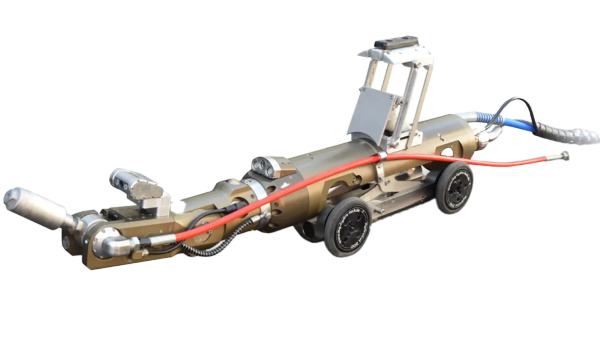 CCTV sewer pipe inspection and Robotic sewage pipe cleaning