 Applied Pipeline ServicesUAE · KSA · QATAR← Back to site
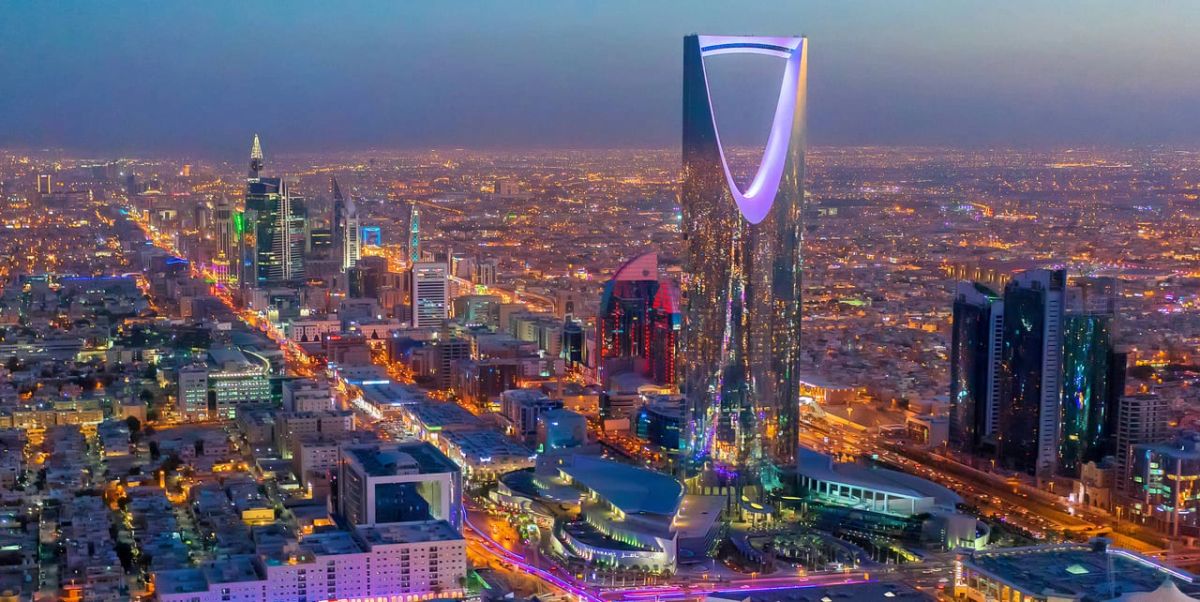
In Dubai, Riyadh, Doha and Abu Dhabi, the pipe you need to repair is almost never in an empty field. It is under a six-lane road, beneath a tower podium, inside a mall's service corridor or below a hotel's landscaped pool deck. In that environment, the cost of a repair is dominated not by the pipe but by everything above it. That is why trenchless rehabilitation has become the standard answer in dense cities.
A conventional replacement means traffic management and permits, saw-cutting and breaking paving, shoring and dewatering, haulage of spoil, the pipe work itself, backfill and compaction, and then reinstating asphalt, pavers, planting or interior finishes. Each step adds days and a contractor. In a hotel, add lost rooms; in a mall, lost trading; on a road, congestion and complaints. Trenchless methods remove most of those lines from the estimate, which is why our projects typically land at 40 to 50 percent of the open-cut price.
CIPP lining renews sewers, storm drains, chilled-water and fire lines up to 2.8 m. Epoxy and polyurea coatings rehabilitate potable water and building risers. Patch liners and Quick-Lock sleeves fix single defects. Spiral wound lining handles large culverts under live flow. Robotic cutters reopen laterals from inside the main. A CCTV survey tells us which one your pipe needs.
Burj Khalifa, Atlantis The Palm, Madinat Jumeirah, Yas Mall, Riyadh Metro, Dubai Airport: more than one million metres of pipeline rebuilt from the inside, in the most crowded locations in the Gulf, without breaking the surface above them. If you manage a dense urban asset, the question is no longer whether trenchless works, but which method fits your pipe.
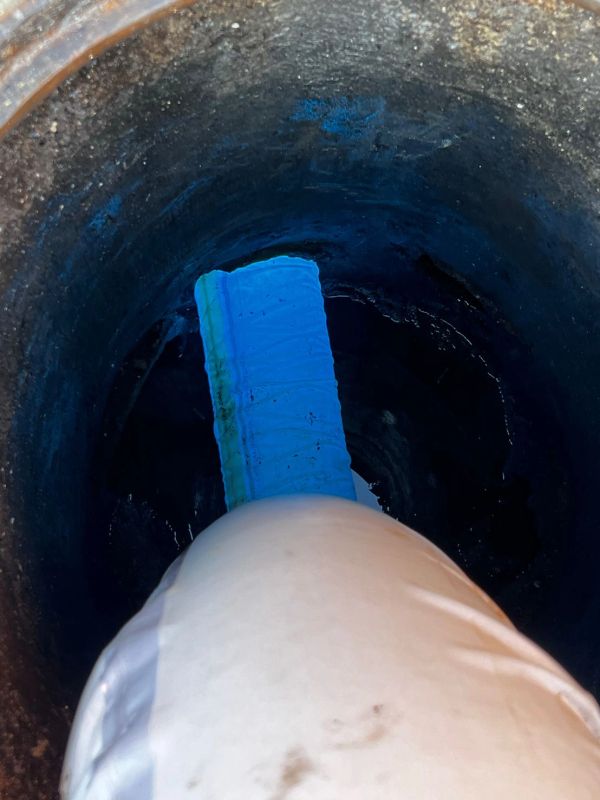 Trenchless Pipe Rehabilitation: The Smart, Sustainable Solution
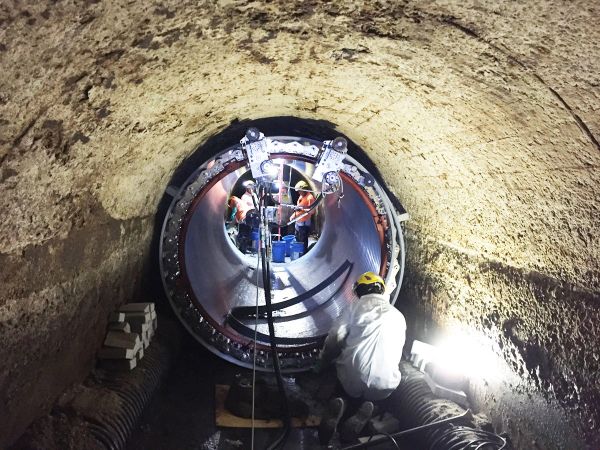 Spiral Wound For Trenchless Pipe Repair
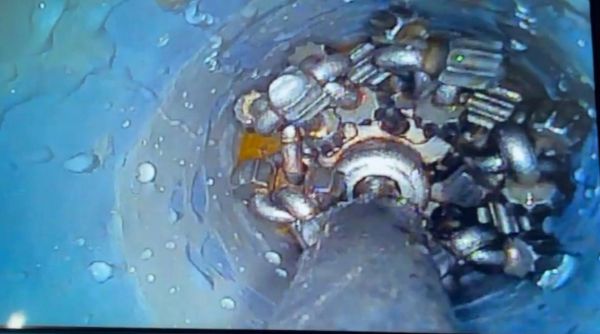 Revolutionizing Pipeline Maintenance in the Saudi Market
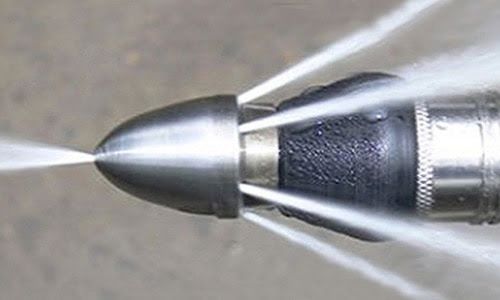 Revitalize Your Infrastructure: Applied Pipeline Services Now in
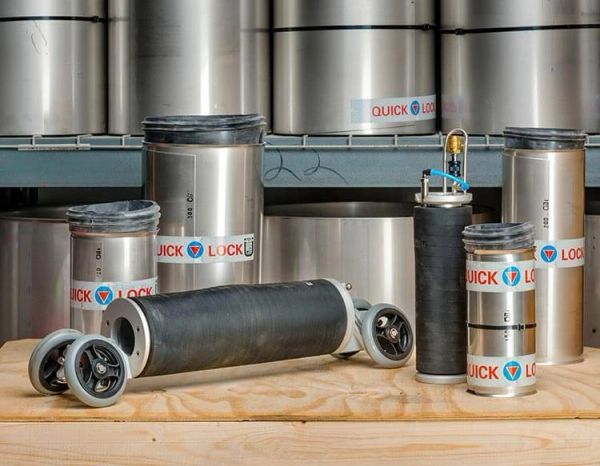 Applied Installs the first Quick Lock No-Dig pipe repair in UAE
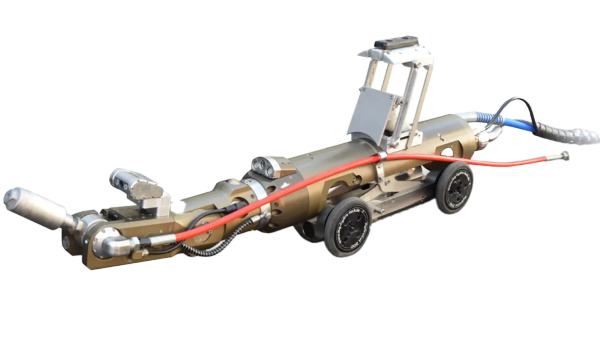 CCTV sewer pipe inspection and Robotic sewage pipe cleaning