 Applied Pipeline ServicesUAE · KSA · QATAR← Back to site
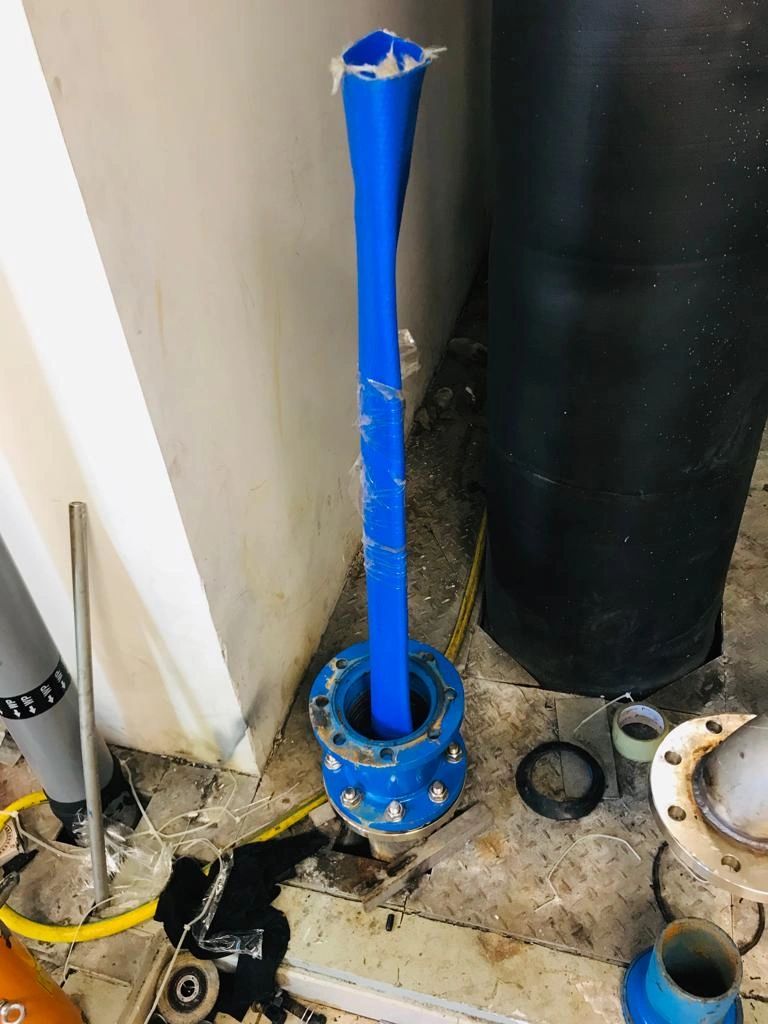
Tight-fit lining renews a pressurised potable-water main by pulling a polyethylene liner through the existing pipe and expanding it until it fits snugly against the host wall. The result is a new, smooth, corrosion-proof pipe that preserves almost all of the original diameter and carries full operating pressure. Applied Pipeline Services provides several NSF/ANSI 61 approved liner systems for drinking water; the choice depends on the pipe material, operating pressure and layout, and sometimes a combination of methods is the right answer.
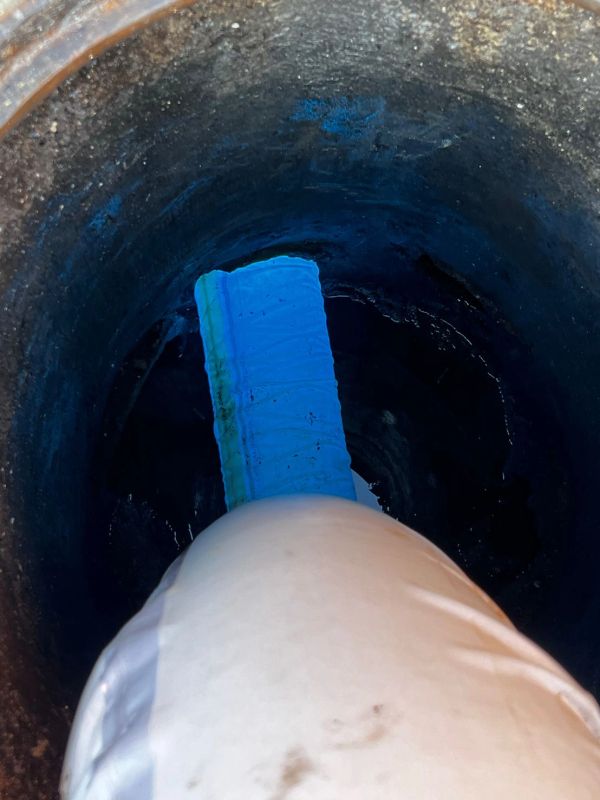
A PE100 liner, slightly larger than the host bore, is temporarily reduced in diameter, either by pulling it through a reduction die (swage lining) or by folding it into a U shape (fold-and-form). It is winched through the cleaned host pipe from a small launch pit, then released or pressurised with heat and air so it reverts to its original size and locks tightly against the wall. End fittings and new flanges complete the connection. Runs of several hundred metres between pits are routine, including gentle bends.
For pressure mains that are structurally sound but corroding, tight-fit PE is usually the most economical option. For mains that have lost structural capacity, a reinforced CIPP pressure liner is used. For large-diameter man-entry mains, spray-applied NSF 61 epoxy or polyurea may be preferred. For small building services, epoxy lining from ½ inch upward is the standard answer. We assess the pipe before recommending the method.
Our teams line potable-water mains for utilities, developers and facility owners across the UAE and Saudi Arabia, with disinfection and sampling to the local authority's requirements before the main is returned to service. If your network suffers from red water, falling pressure or recurring bursts, a condition survey will show whether tight-fit lining can give it another 50 years.
 Trenchless Pipe Rehabilitation: The Smart, Sustainable Solution
 Spiral Wound For Trenchless Pipe Repair
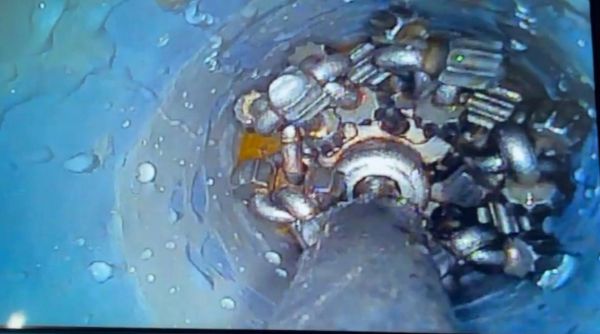 Revolutionizing Pipeline Maintenance in the Saudi Market
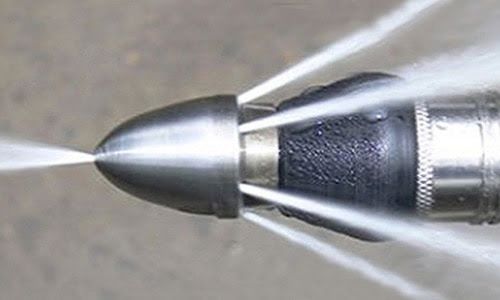 Revitalize Your Infrastructure: Applied Pipeline Services Now in
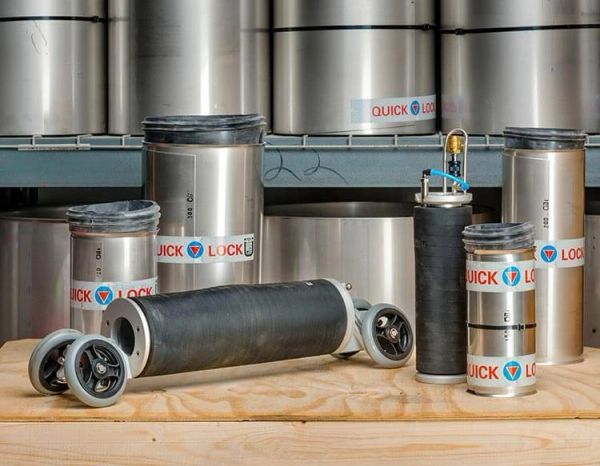 Applied Installs the first Quick Lock No-Dig pipe repair in UAE
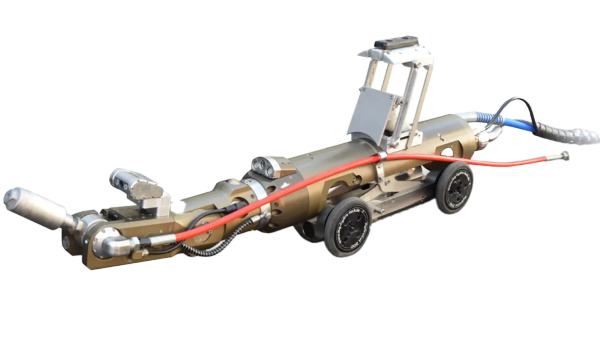 CCTV sewer pipe inspection and Robotic sewage pipe cleaning