 Applied Pipeline ServicesUAE · KSA · QATAR← Back to site
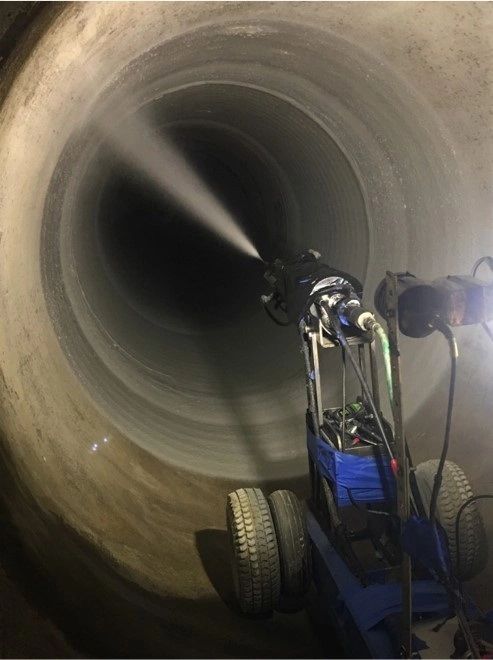
Polyurea coatings have been in the pipeline industry for decades, and for good reason: they cure fast, stretch without cracking and resist most of what flows through a pipe. But they are frequently specified for the wrong job or applied by the wrong hands. Here is what an operator needs to know before signing off a polyurea lining.
A sprayed polyurea film 2 to 5 mm thick protects a pipe wall from corrosion and seals minor leaks. It does not restore the load capacity of a pipe that has lost its wall. If your CCTV survey shows deformation, longitudinal fractures or missing wall, the correct answer is a structural liner (CIPP or a composite system), possibly with polyurea as the final barrier. Ask for the structural calculation, not just the coating data sheet.
Polyurea bonds mechanically to a clean, dry, profiled surface. Tuberculation, biofilm, old coatings and moisture must be removed by abrasive blasting or ultra-high-pressure jetting to the standard the manufacturer specifies (typically Sa 2½ on steel). An applicator who proposes to coat over a jetted-but-damp surface is proposing a failure in two years.
Only specific polyurea formulations are certified for drinking-water contact under NSF/ANSI 61 or WRAS. Ask for the certificate for the exact product and thickness being applied, and for the disinfection and sampling procedure that will return the main to service.
Insist on wet-film and dry-film thickness readings along the run, holiday (spark) testing for pinholes, adhesion pull-off tests to the specified value, and a post-application camera survey. These are the documents that make the warranty meaningful.
Plural-component polyurea must be sprayed at controlled temperature and pressure with equipment that is calibrated daily. Off-ratio material does not cure correctly and cannot be fixed afterwards. Ask who is operating the rig and how many kilometres of pipe they have lined.
Large-diameter steel and concrete mains with internal corrosion but sound structure; pump-station wet wells and chambers; reservoirs; and situations where the line must be back in service within hours. In those cases polyurea is often the most economical and least disruptive option on the table.
We treat polyurea as one tool in a trenchless toolbox that also includes NSF 61 epoxy, tight-fit and CIPP liners, patch repairs and mechanical sleeves. Every recommendation follows a camera survey and is backed by a 10-year warranty. If a contractor has quoted you polyurea for a pipe you have not seen from the inside, let us look first.
 Trenchless Pipe Rehabilitation: The Smart, Sustainable Solution
 Spiral Wound For Trenchless Pipe Repair
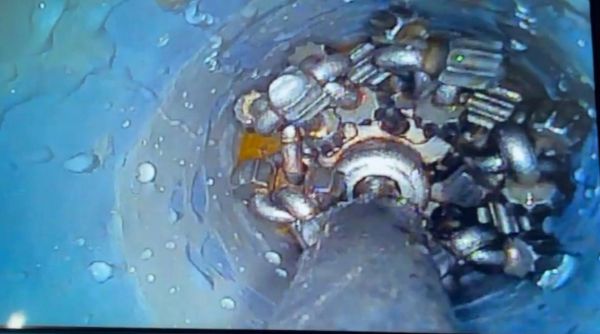 Revolutionizing Pipeline Maintenance in the Saudi Market
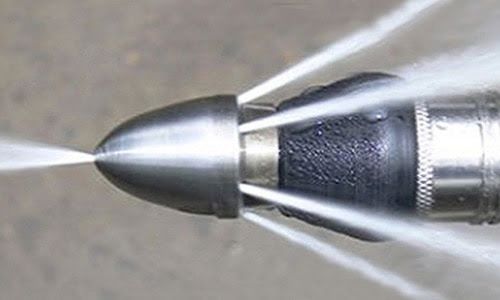 Revitalize Your Infrastructure: Applied Pipeline Services Now in
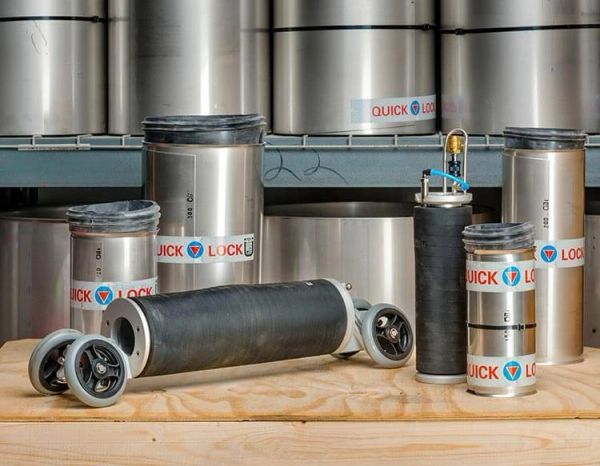 Applied Installs the first Quick Lock No-Dig pipe repair in UAE
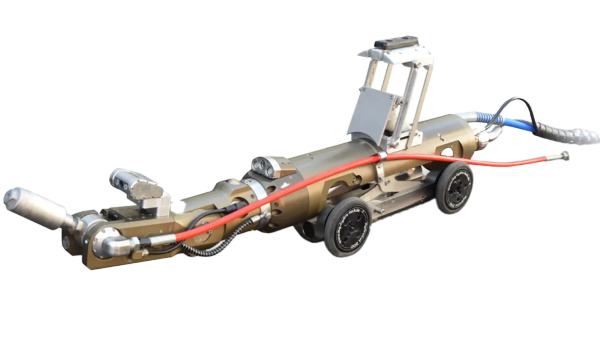 CCTV sewer pipe inspection and Robotic sewage pipe cleaning